O2 · Oxygen Design System
Rebuilding O2’s Oxygen design system
Oxygen, or ODS for short, is O2’s design system: design principles, foundational design language, brand guidelines, human interface guidelines and working code, maintained by a core team and improved by a community of contributors.
After joining VCCP, I spent six months reconstructing it as part of O2’s digital transformation, working hand in hand with O2 and the development team. I took complete ownership of the system and turned it into a much more robust ecosystem, improving its structure, communication and documentation.
VCCP, for O2
Process
How I rebuilt Oxygen
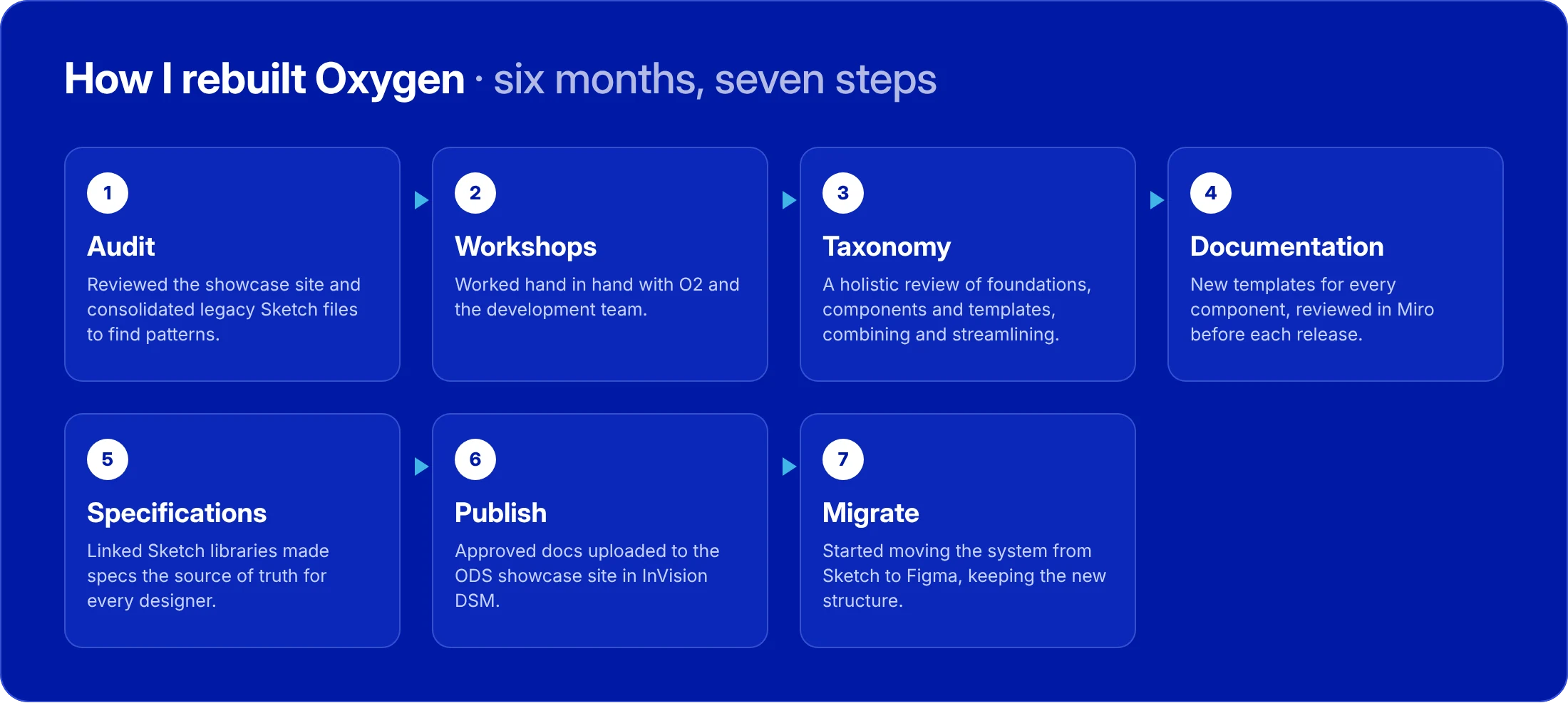
It started with an audit of the showcase site and the legacy Sketch files, then workshops, then a holistic review of the taxonomy and descriptions of every foundation, component and template.
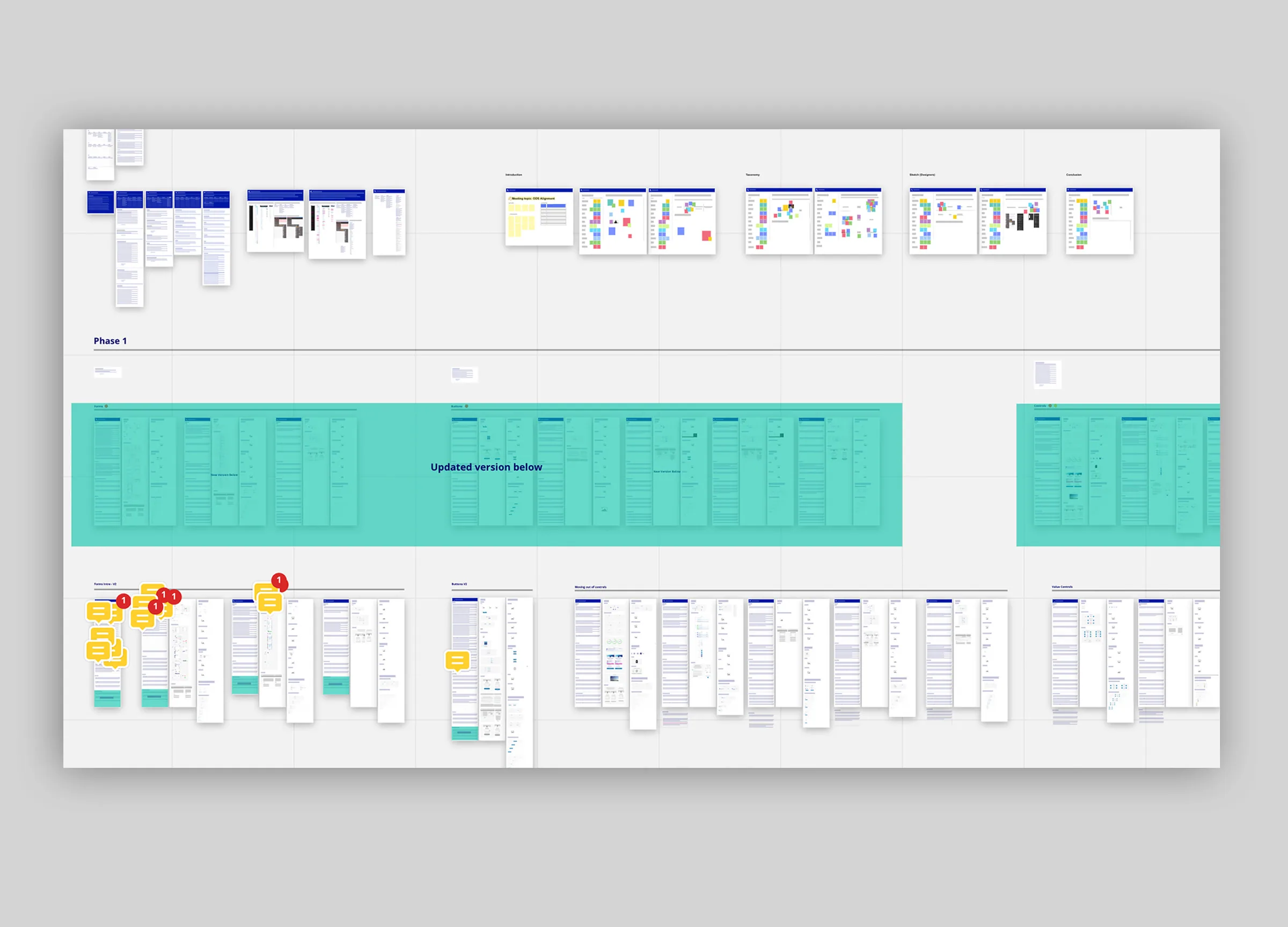
Reviewing documentation in Miro, phase by phase.
Taxonomy
Fewer, clearer component groups
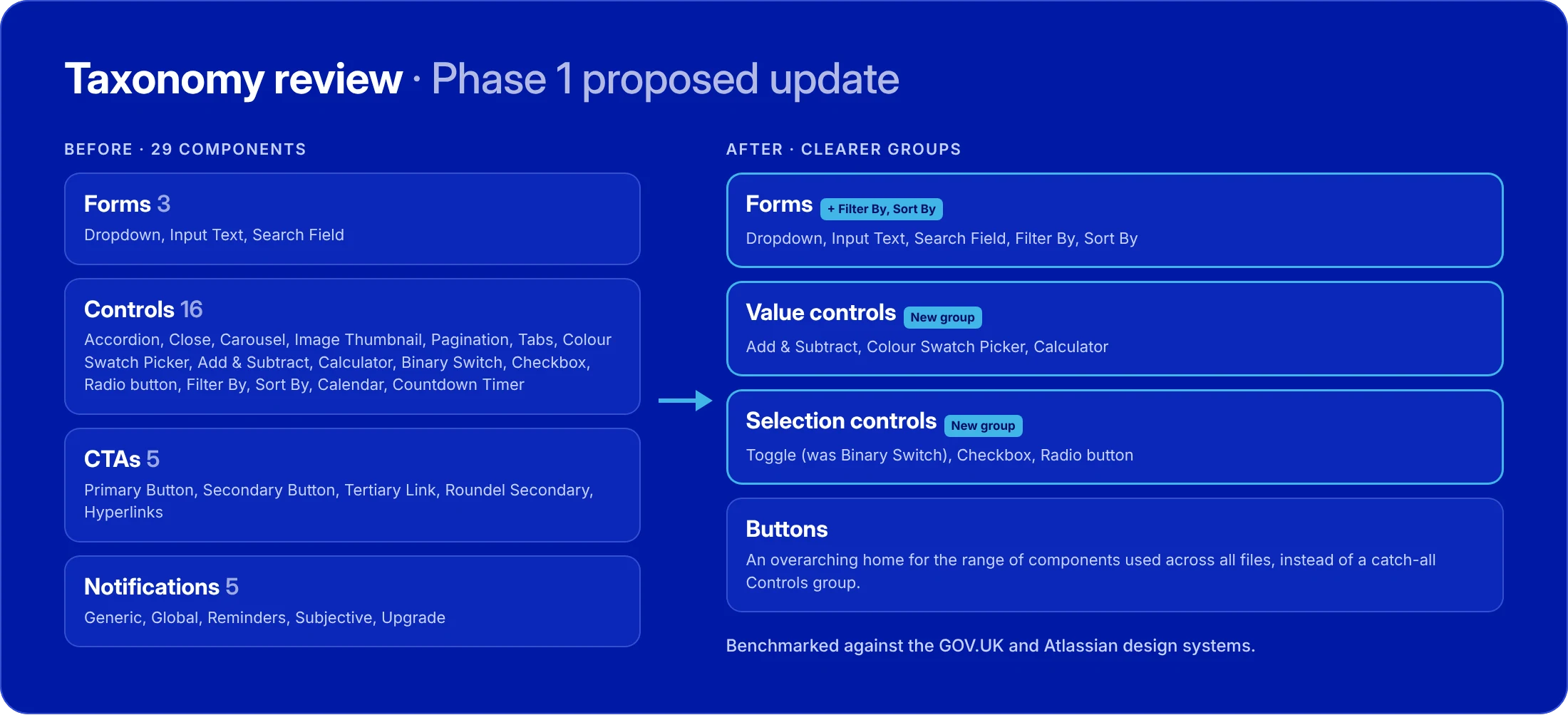
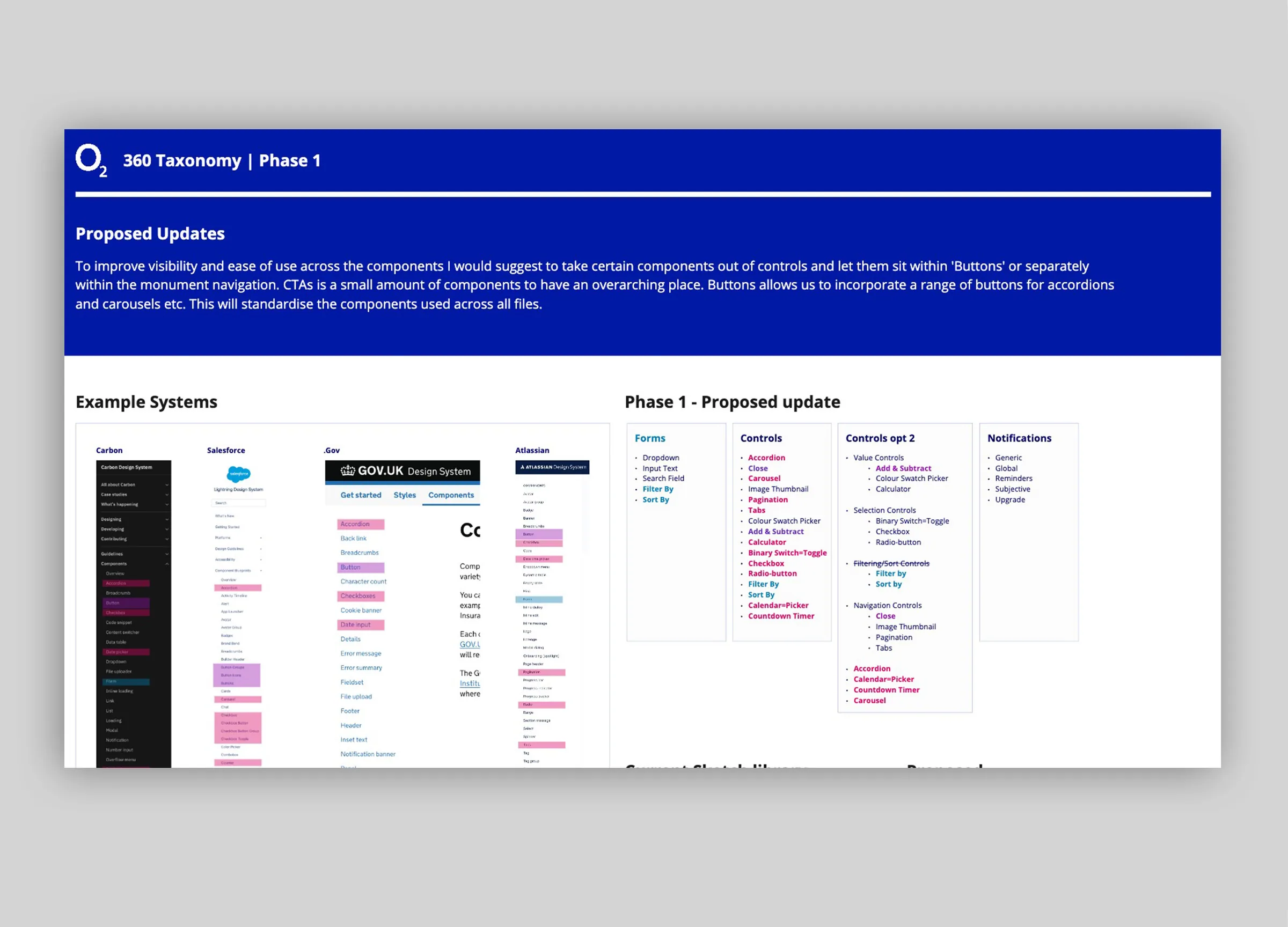
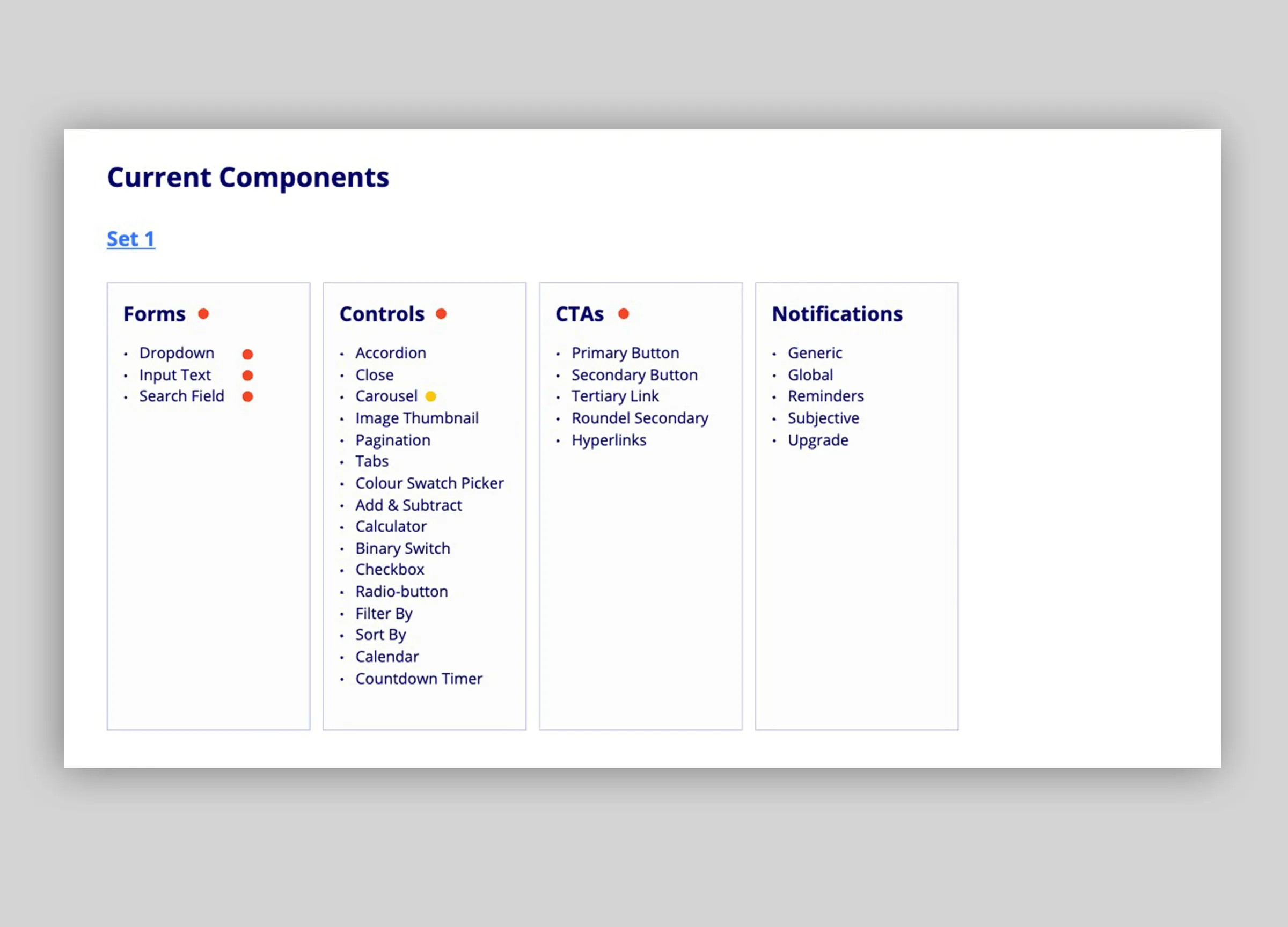
I broke each component down to see where we could combine and streamline. Benchmarked against GOV.UK and Atlassian, the Phase 1 proposal split the catch-all Controls group into clearer groups, moved filtering and sorting into Forms, and renamed Binary Switch to Toggle.
Documentation
360 documentation with a clear approval flow
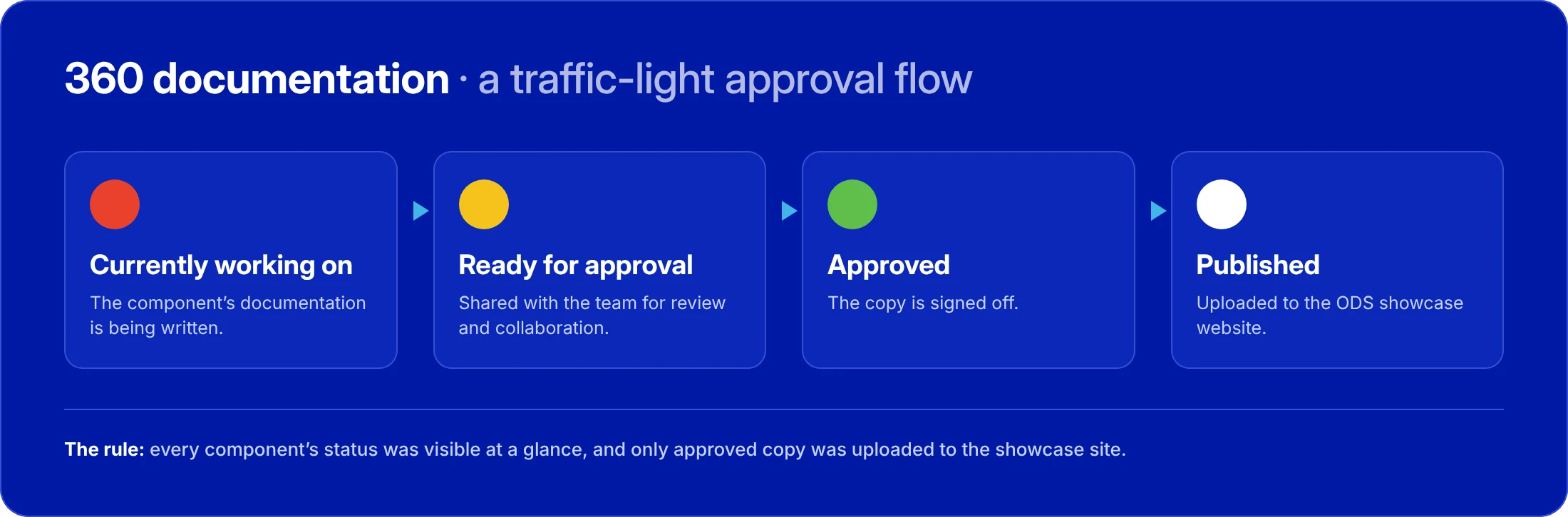
I created documentation templates for every component and used Miro to review them before each release, which made sharing work across the team much more efficient.
A traffic-light system showed the state of every component, and approved copy was uploaded to the ODS showcase site in InVision DSM.
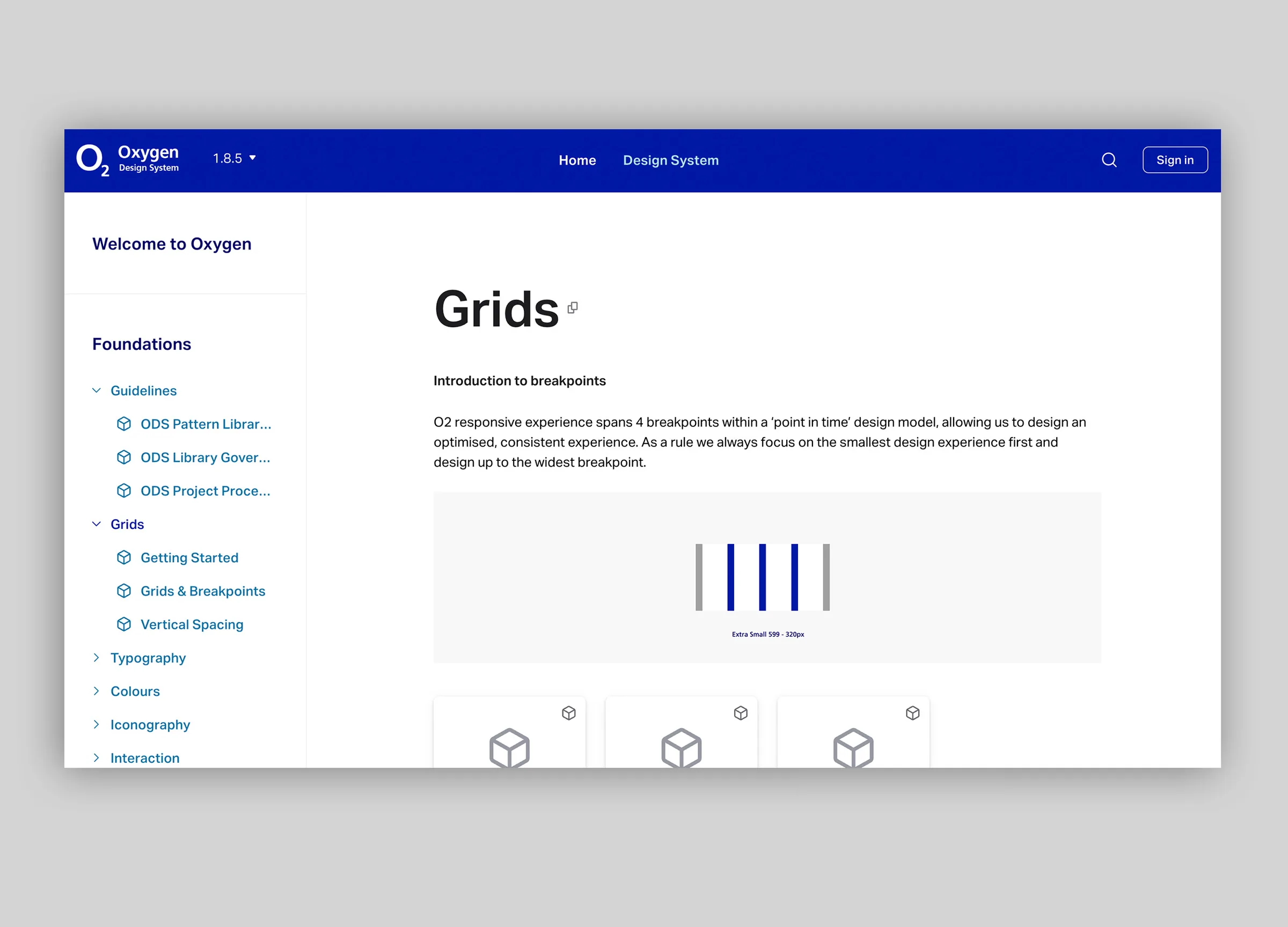
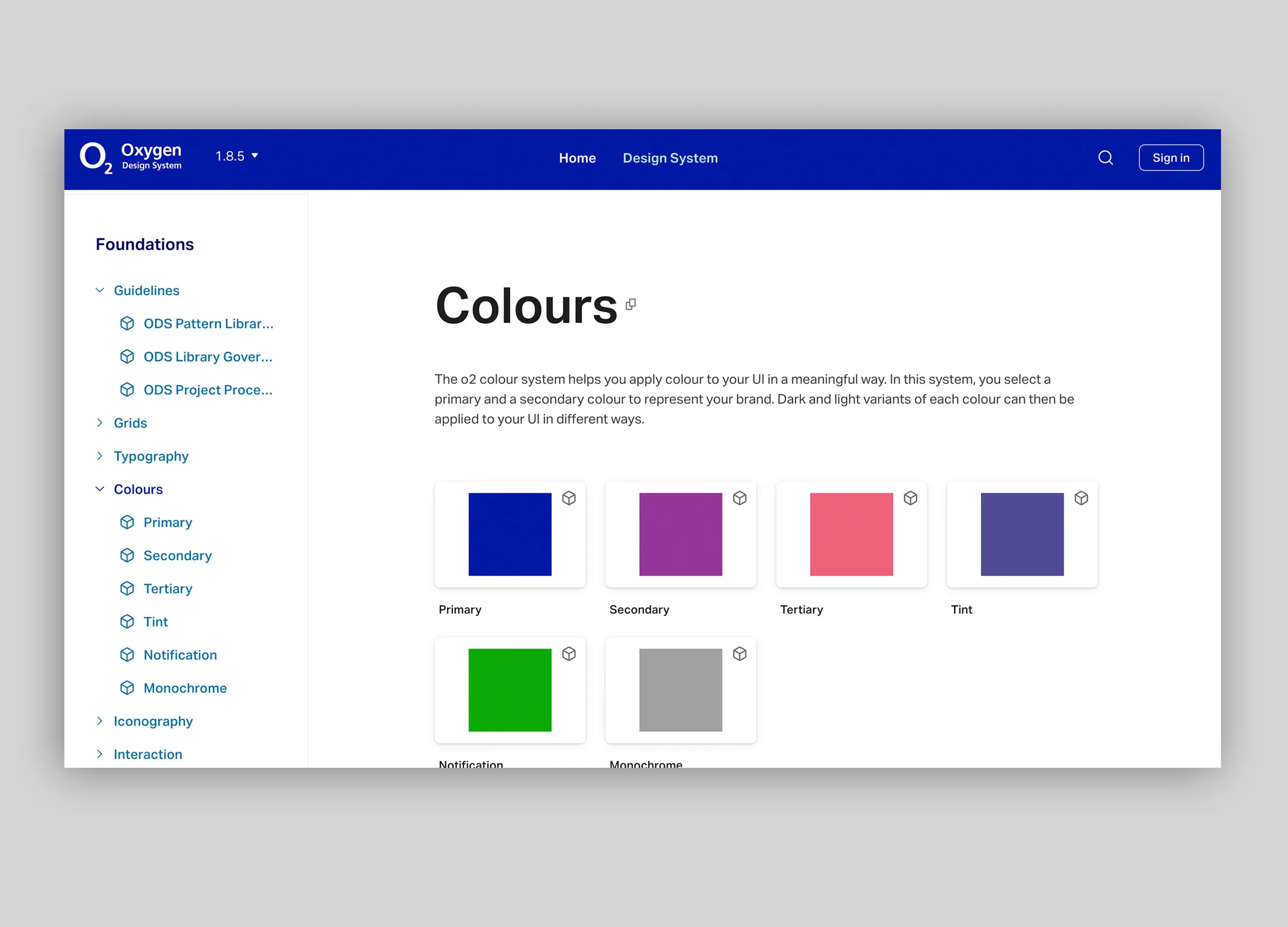
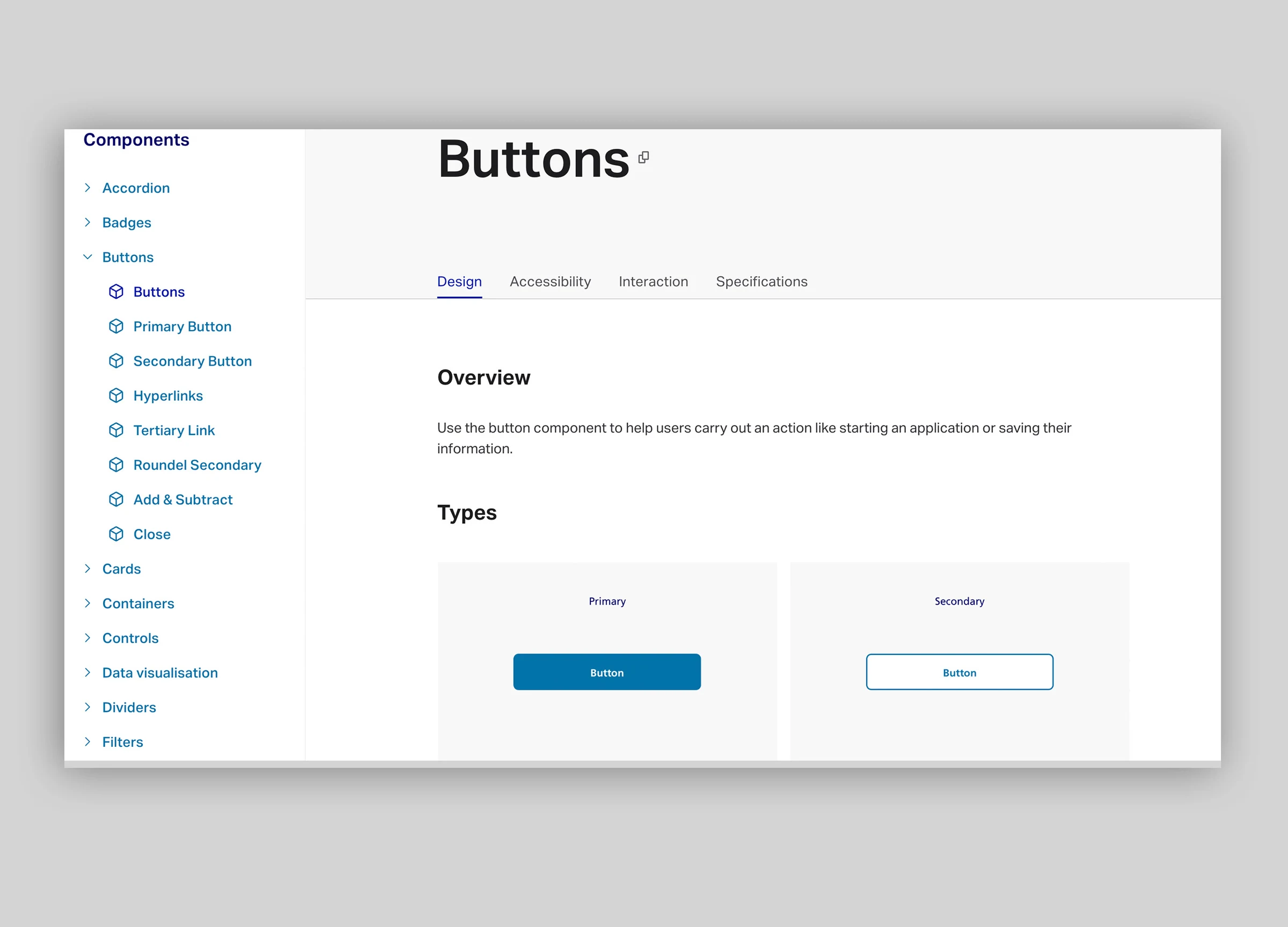
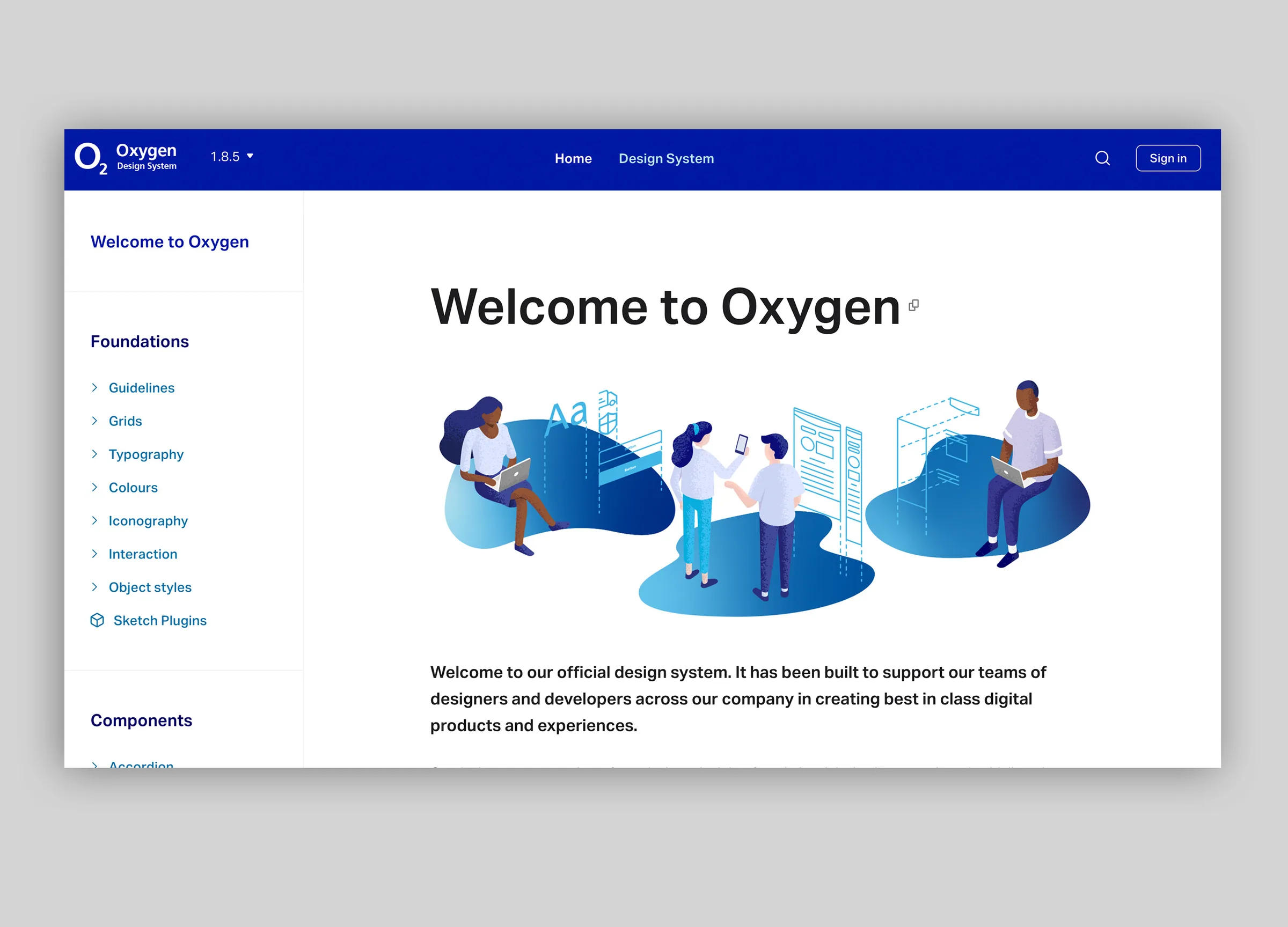
Pages from the ODS showcase site.
Specifications
One source of truth, from Sketch to Figma
Most legacy O2 work had been designed in Sketch, so I consolidated a lot of design files and found the patterns that fed a new file structure. Linked Sketch libraries connected the foundations to the documentation, so an update flowed through every file and every element stayed current.
The specifications became the source of truth for every designer. We then started migrating the system to Figma using the same structure.
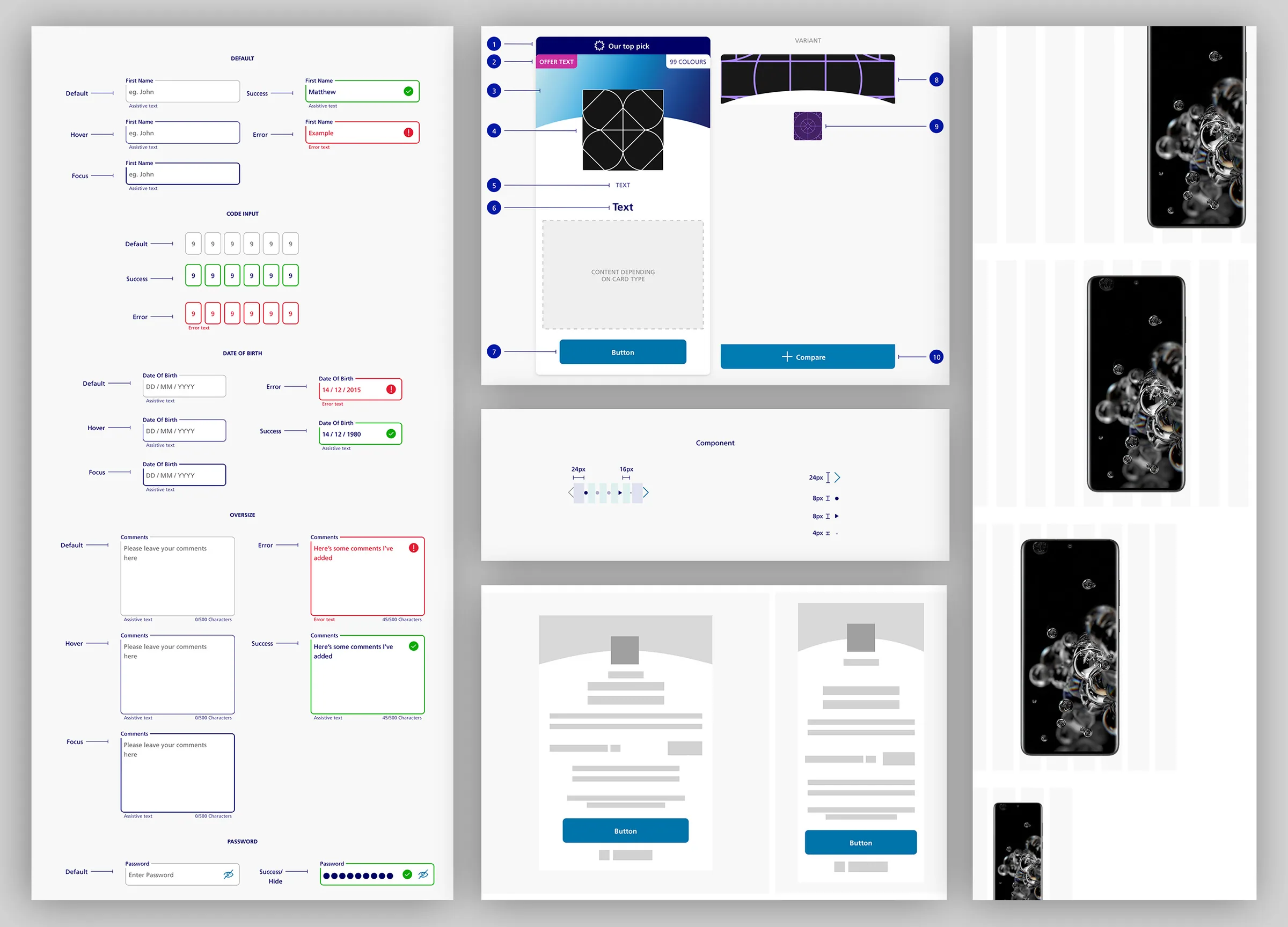
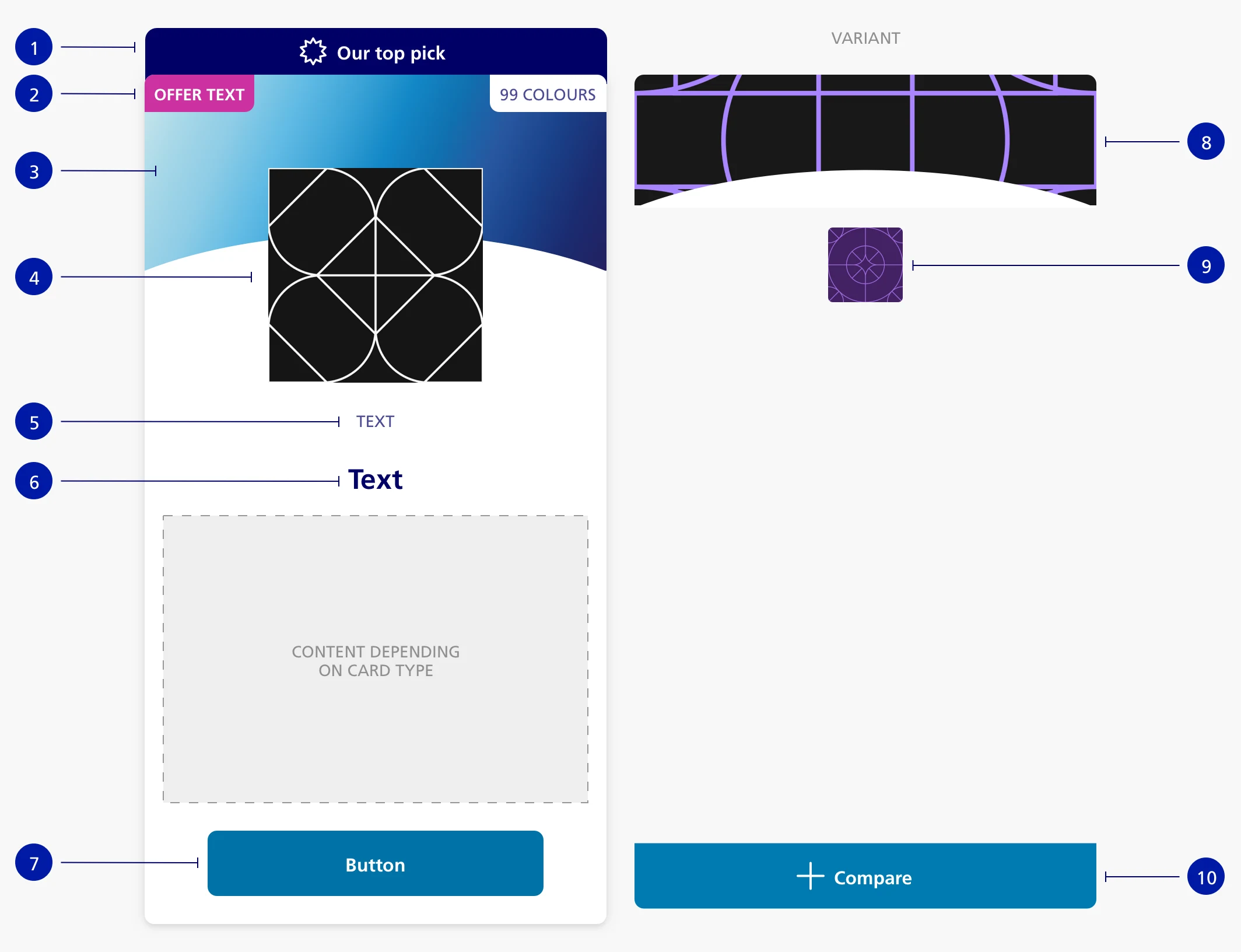
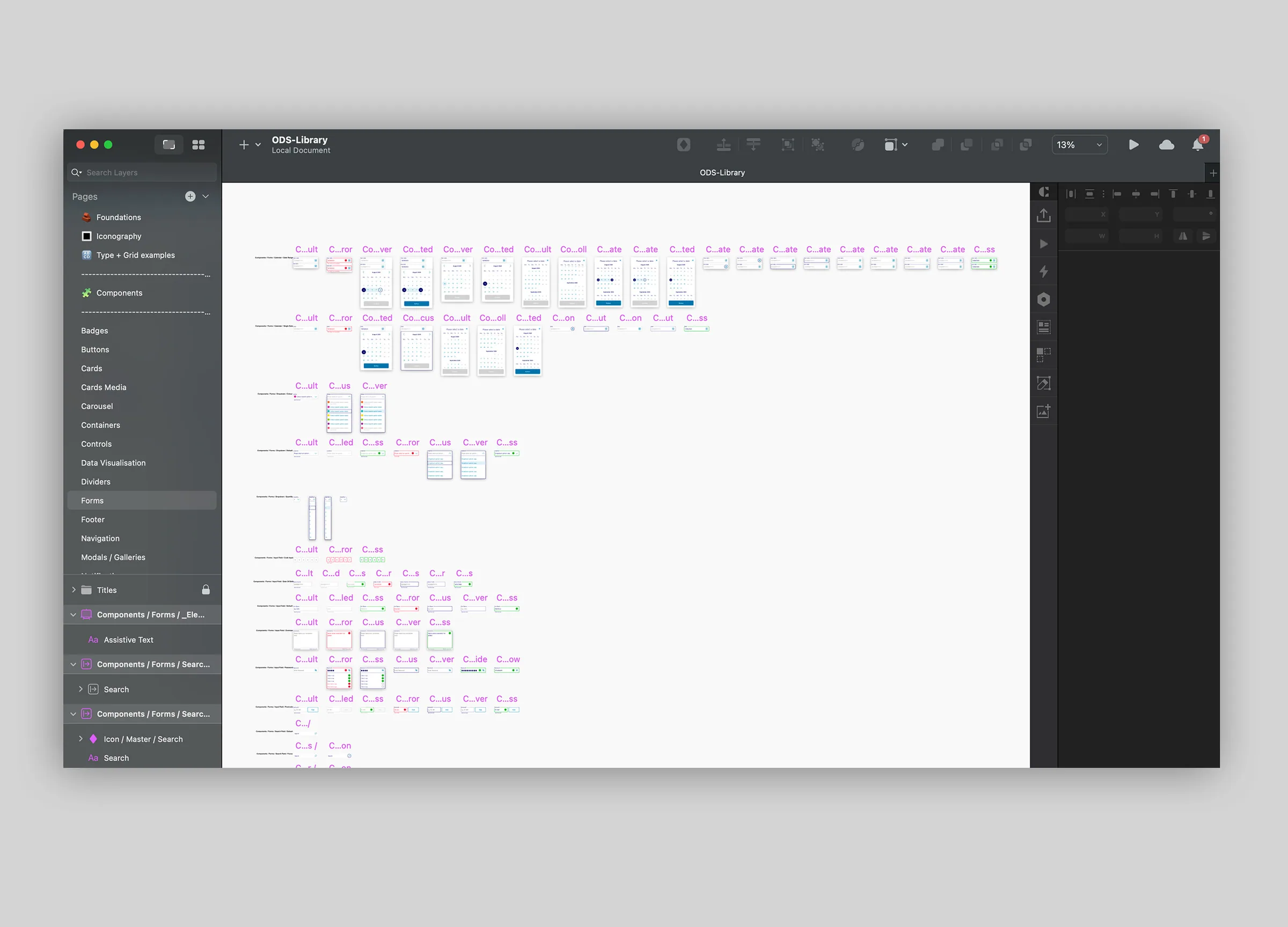
The Sketch library that connected foundations, components and documentation.
In Use
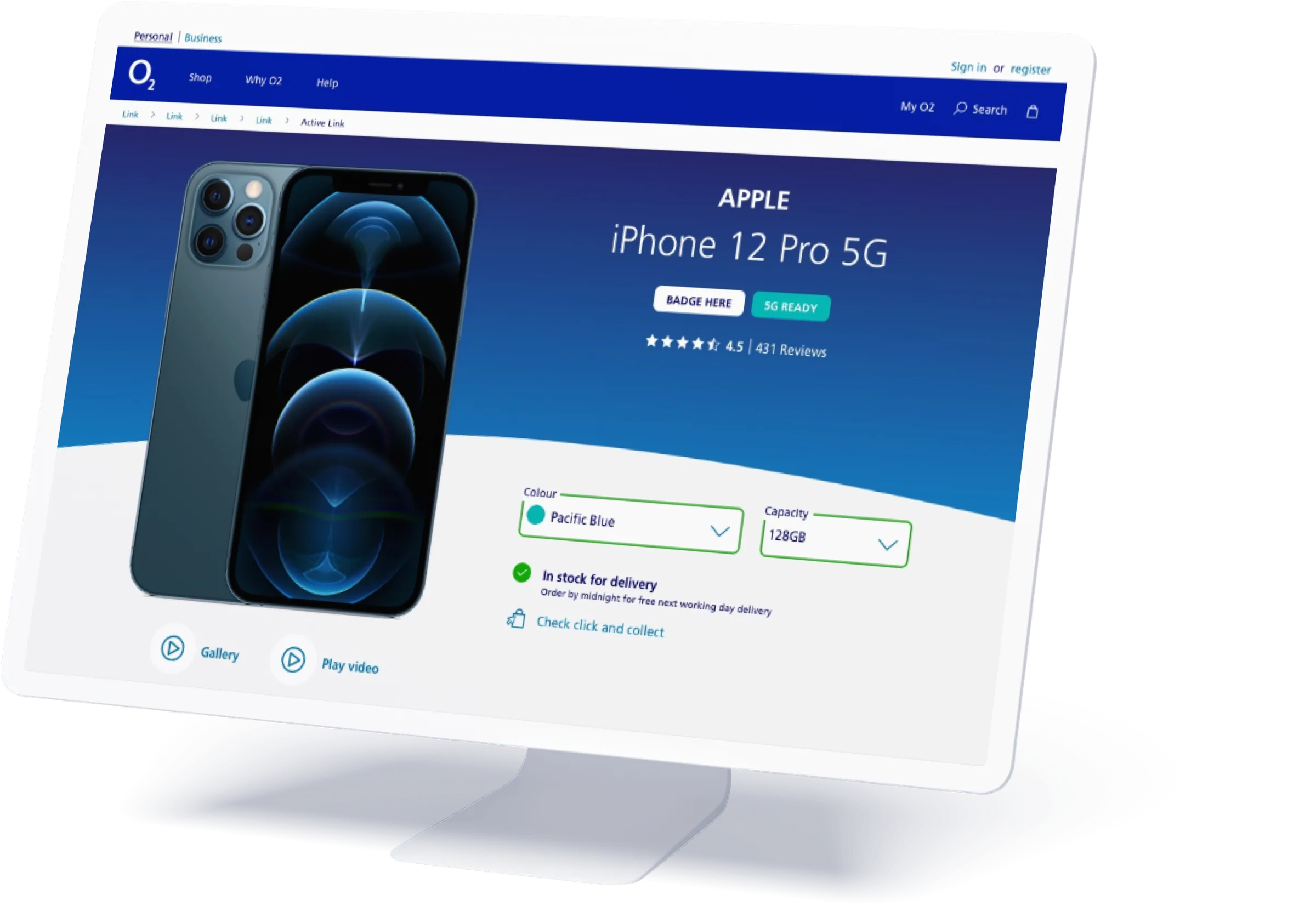
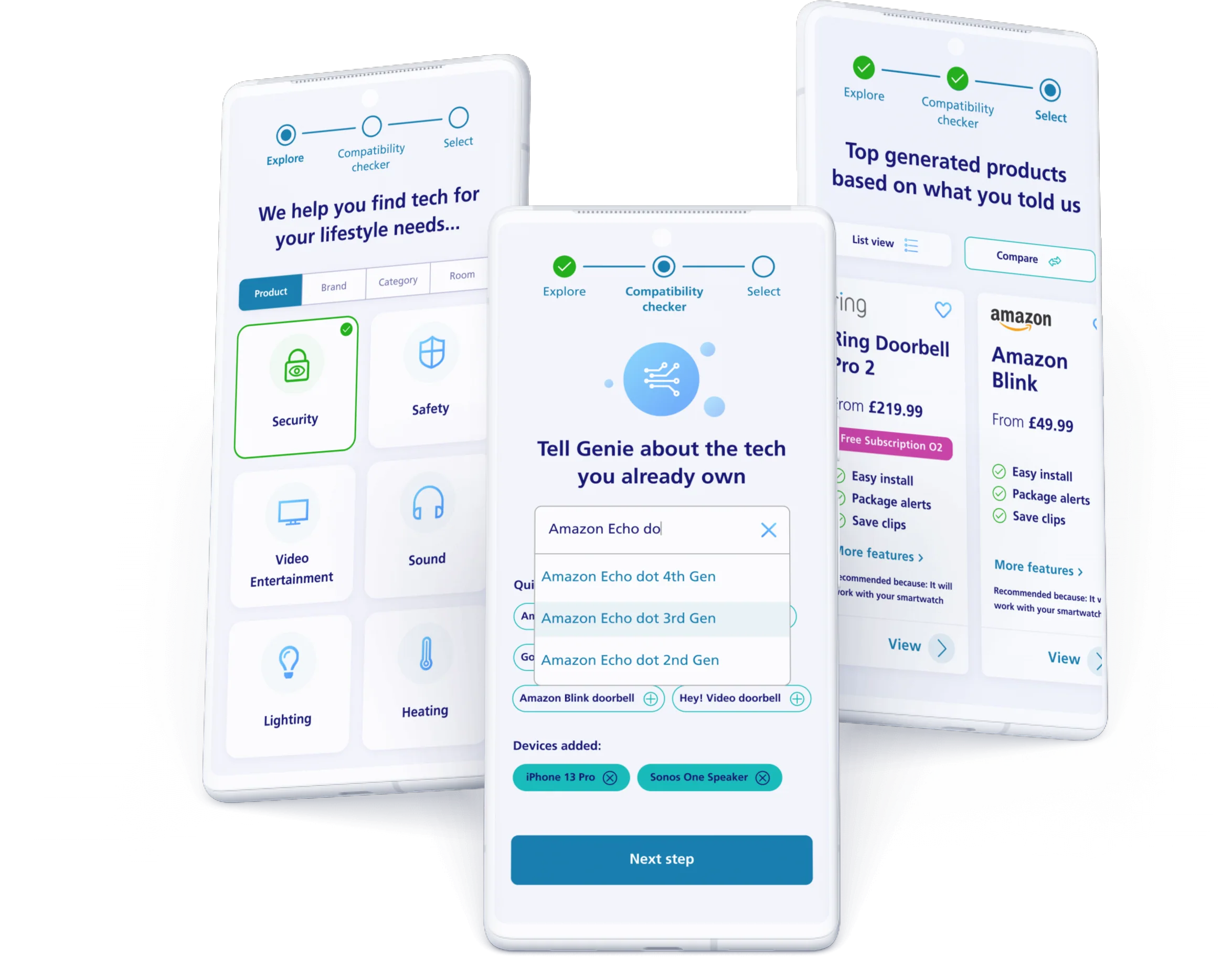
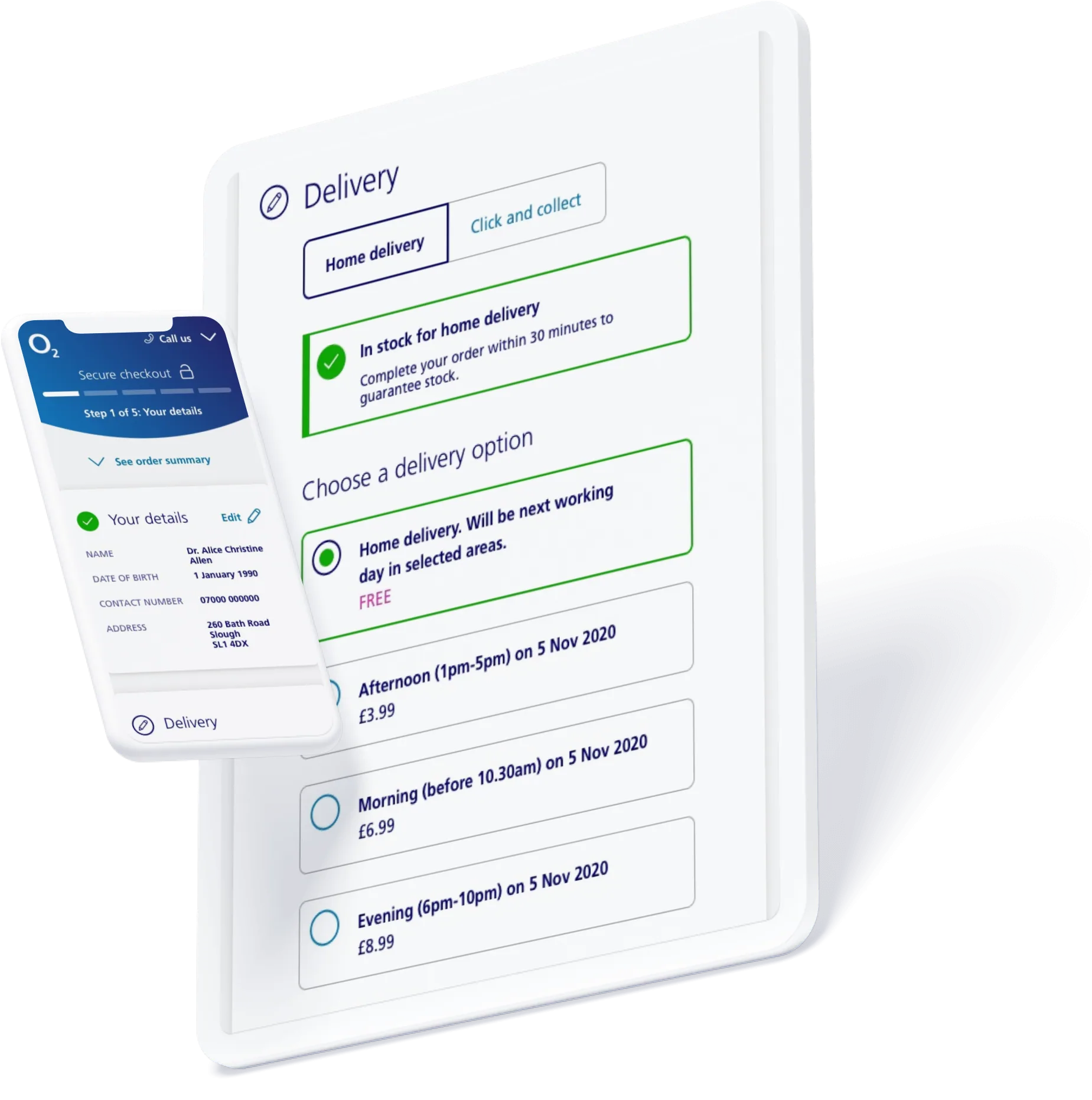
Oxygen across O2’s digital products
Oxygen supports O2’s designers and developers in creating best-in-class digital products and experiences.